

About Us
The Flint Housing Commission (FHC) was established in 1964 and is governed by a five-member Board of Commissioners appointed by the Mayor of Flint. The Board sets policies, while the Executive Director oversees daily operations and implements those policies.
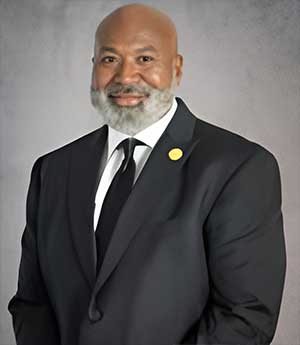
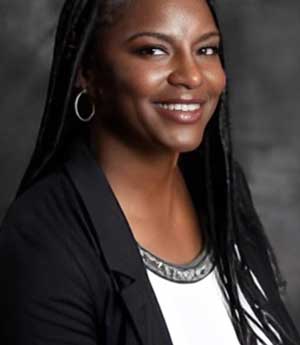
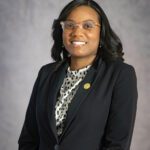
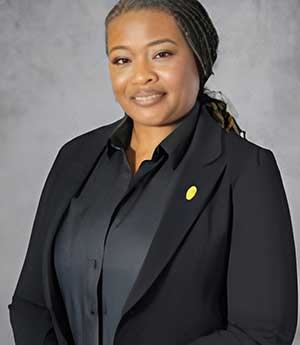
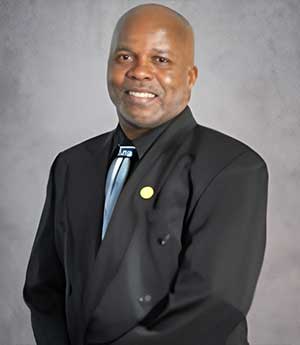
Board of Commissioners
Social Account



Dedicated to Improving Living Conditions Across Flint
From modernizing 1,248 public housing units to expanding private-market options with Section 8 vouchers, FHC is committed to supporting local families at every step.


- Public Housing
- Section 8 Vouchers
- Good Package
- Family Support
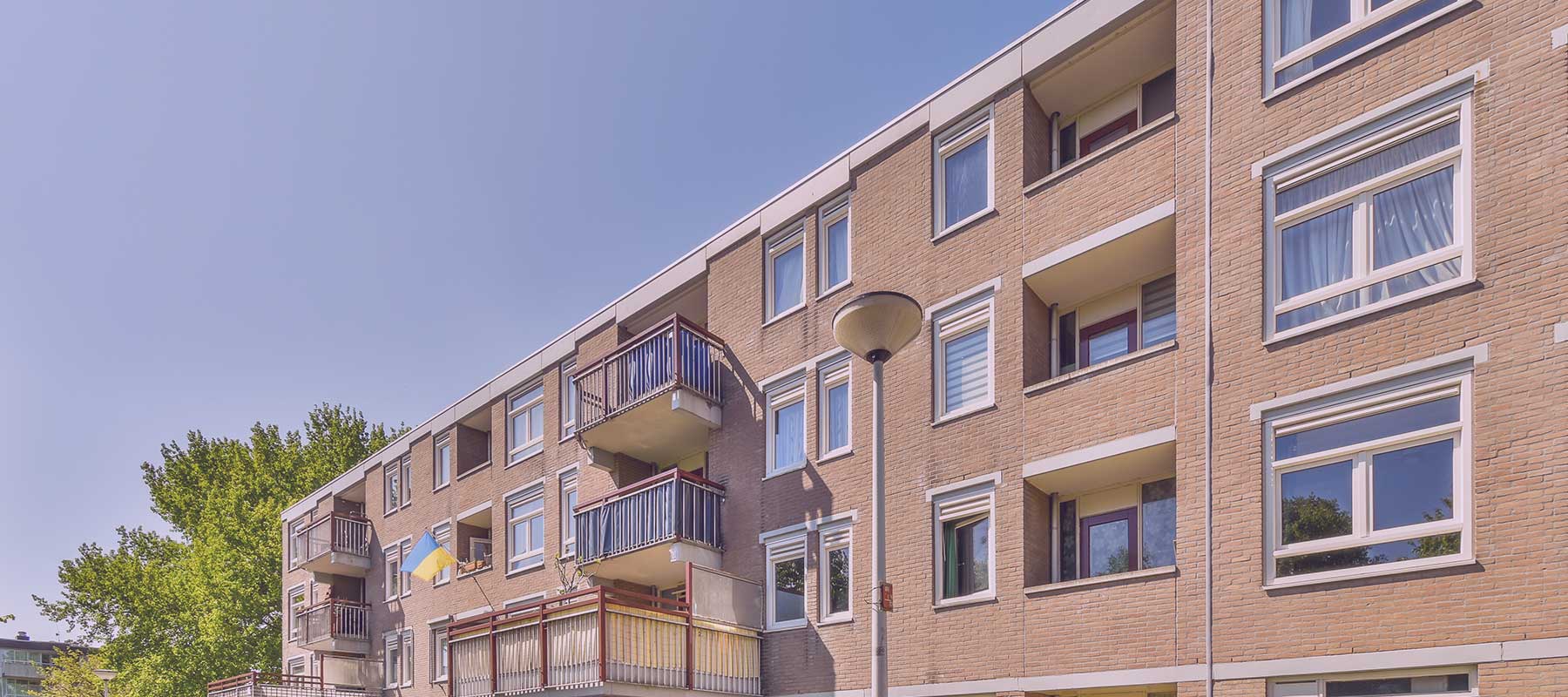
Providing Quality Housing & Empowering Families
Established in 1964, the Flint Housing Commission is dedicated to improving living conditions by offering safe, affordable public housing and assistance programs for local families.
- Public Housing
- Section 8 Vouchers
- HUD Funding
- Family Support

Safe Homes, Stronger Families, Better Lives
Dedicated to upgrading living conditions and addressing social and economic challenges for every low-income family we serve.
- Public Housing
- Section 8 Vouchers
- HUD Funding
- Family Support




Empowering Low-Income Families Through Quality Housing
- Funded through federal subsidies and congressional appropriations.
- Annual funding dedicated to upgrading facilities and improving living conditions.


Click the link below to learn about the Five-Year and Annual Plans
- Safe, Quality & Affordable Housing Options
- Supporting Families, Seniors & Individuals


Click here to apply ONLINE, or click the button below to download the application
- Providing affordable housing programs for eligible residents.
- Building safe, stable, and thriving communities.


Click the link below to learn more about public housing options
- Complete your application with a simple online process.
- Take the first step toward affordable housing today.


Click the link below to learn more about this program
- Receive rental assistance through the Housing Choice Voucher Program.
- Helping families find safe and affordable homes.


Click the link below to learn more about current items available for bid
- Explore career, partnership, and community opportunities with FHC.
- Together, we create stronger neighborhoods and brighter futures.


Click the link below to access the new RentCafe site for tenants, applicants, and landlords
- Access your resident portal anytime, anywhere.
- Pay rent, submit requests, and manage your account online.
Public Housing
HUD Funding
Section 8 Vouchers
Programs designed to empower residents and strengthen our community.




Working Together To Serve Our Community
Working Together To Serve Our Community
Working Together To Serve Our Community

Providing Safe, Affordable Housing for Every Family
Helping individuals and families access quality, affordable housing through trusted programs, resident services, and community support.
Request a quote form
What Our Residents Say
In today’s housing community, the demand for safe and affordable living solutions has never been more essential.
“I've lived in FHC housing for over 20 years. The staff genuinely cares about residents. They keep the properties well-maintained and always respond when I have a concern.

"The HCV program changed my life. FHC staff walked me through every step of the application process and helped me find a safe place for me and my kids. Their dedication to this community is real.
"Volunteering with Feed Flint has been one of the most rewarding experiences of my life. The team is passionate and the impact on Flint families is undeniable. I encourage everyone to get involved.
"The Flint Housing Commission has been a lifeline for my family. When I was going through a difficult period, they helped me find stable housing and connected me with resources I didn't know existed. I'm so…
"The HCV program changed my life. FHC staff walked me through every step of the application process and helped me find a safe place for me and my kids. Their dedication to this community is real.

Explore Our Team Member’s






16+
Completed Projects
18+
Year Experience
10K
Happy Customers
50+
Happy Team